
If you're reading this right now, chances are: you are either
An Event Planner and Coordinator
A Corporate Event Manager
An Human Resources Manager
A Conference Organizer
A Marketer or PR team
A CEO or Manager of an Association or Nonprofit Organization
Affiliated with an Educational Institute
An Employee at a Speaker Bureau or Speaker Agency
Part of a Professional Development or Learning and Development Teams
And if that's the case, you already know that selecting the right keynote speaker for your corporate event, educational conference, or retreat can make or break the entire experience. With the right speaker, your audience can walk away inspired, motivated, and ready to take action. With the wrong speaker, however, your event risks falling flat. Here’s why it's essential to carefully choose a motivational speaker who resonates with your audience and aligns with your event objectives.
Especially when they can incorporate engaging activities, or a "difference factor" to really spice things up.

Representation Matters: Misrepresentation of Female Speakers
Unfortunately, many keynote speakers—especially in the business world—fail to address the diverse experiences of their audience, especially when it comes to cultural backgrounds, lived experiences, disability, and women.
I've heard many times, [and witnessed a large majority of], male speakers focus on delivering content that primarily connects with other well-abled and CIS men, forgetting to engage with the diverse range of OTHER people in the room. Not to say that the CIS-male perspective doesn't have value, but this can create a huge disconnect that can diminish the impact of the presentation.
It’s crucial to choose a guest speaker who understands how to speak to everyone in the audience, ensuring that all participants feel included and valued.

Avoid the Pitfalls of Inauthenticity
A common complaint about motivational speakers is a lack of authenticity. Some speakers come across as overly rehearsed or more focused on self-promotion [sound familiar?] than delivering genuine value. When the speaker seems more interested in talking about themselves than in addressing the needs of the audience, the result is a presentation that feels shallow and untrustworthy.
And your audience tunes TF out.
The right guest keynote speaker should not only know their material but also speak from the heart, making a real connection with the audience. After all: this is about your people; not the speaker, right? Right.
Overly Formulaic and Predictable Speeches
Many keynote speeches follow the same predictable formula: start with a personal story, share a challenge, and offer a solution. While this might work for some, it can quickly feel repetitive, especially for audiences who attend multiple conferences or events. To create a memorable and impactful presentation, it’s essential to find a good speaker who breaks the mold, offering unique insights and a fresh perspective that keeps the audience engaged throughout the entire event.
They can do this by doing some pretty simple things, like:
1. Incorporating Storytelling
While personal stories are common in keynote speeches, a great speaker can use storytelling as a powerful tool that goes deeper than surface-level anecdotes. They break the mold by focusing on authenticity and vulnerability, not just triumphs or "wins" - sharing moments of struggle, uncertainty, or failure alongside success makes the story more relatable and human. They need to be relatable, right?
2. Engaging Multiple Senses
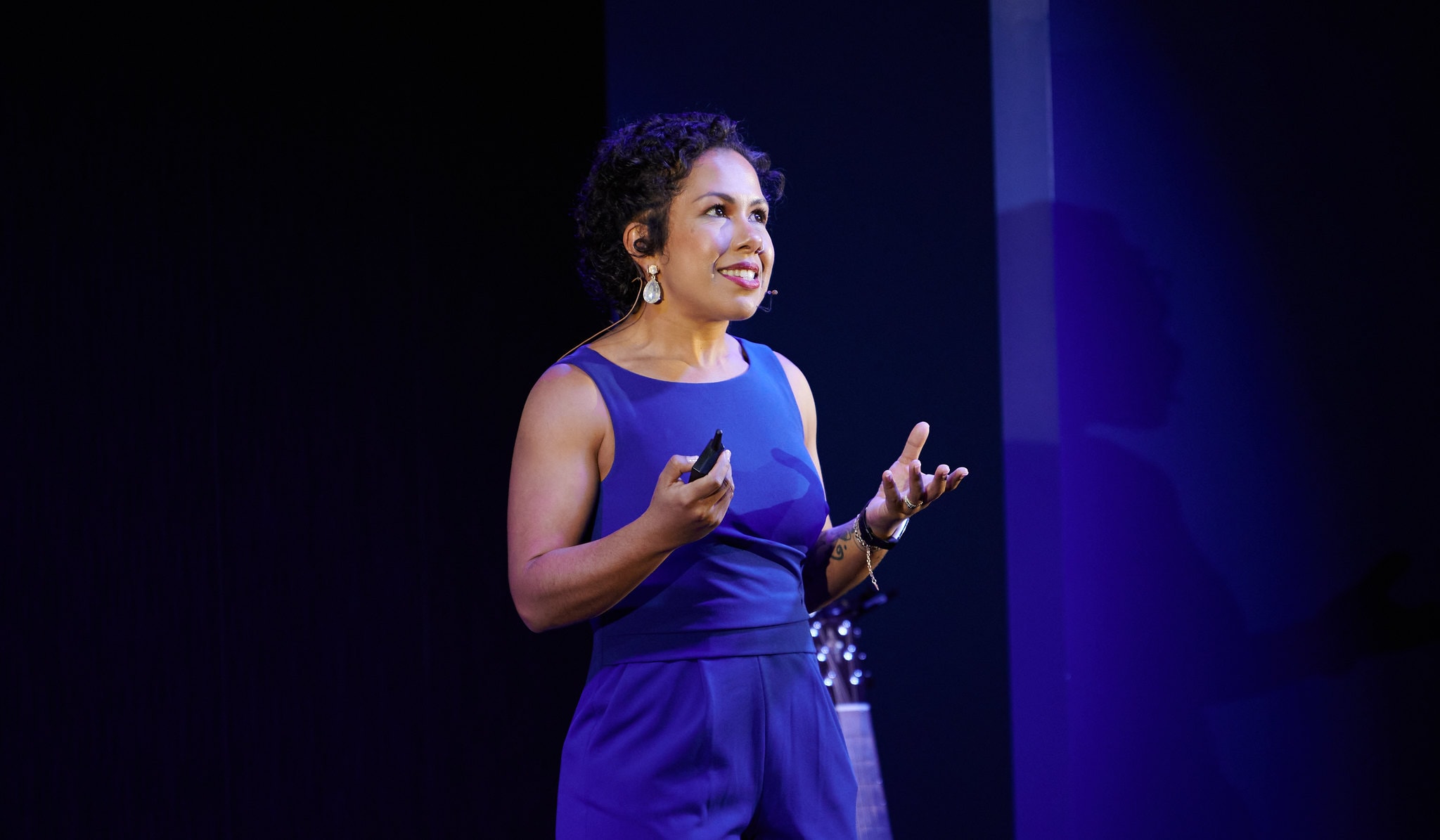
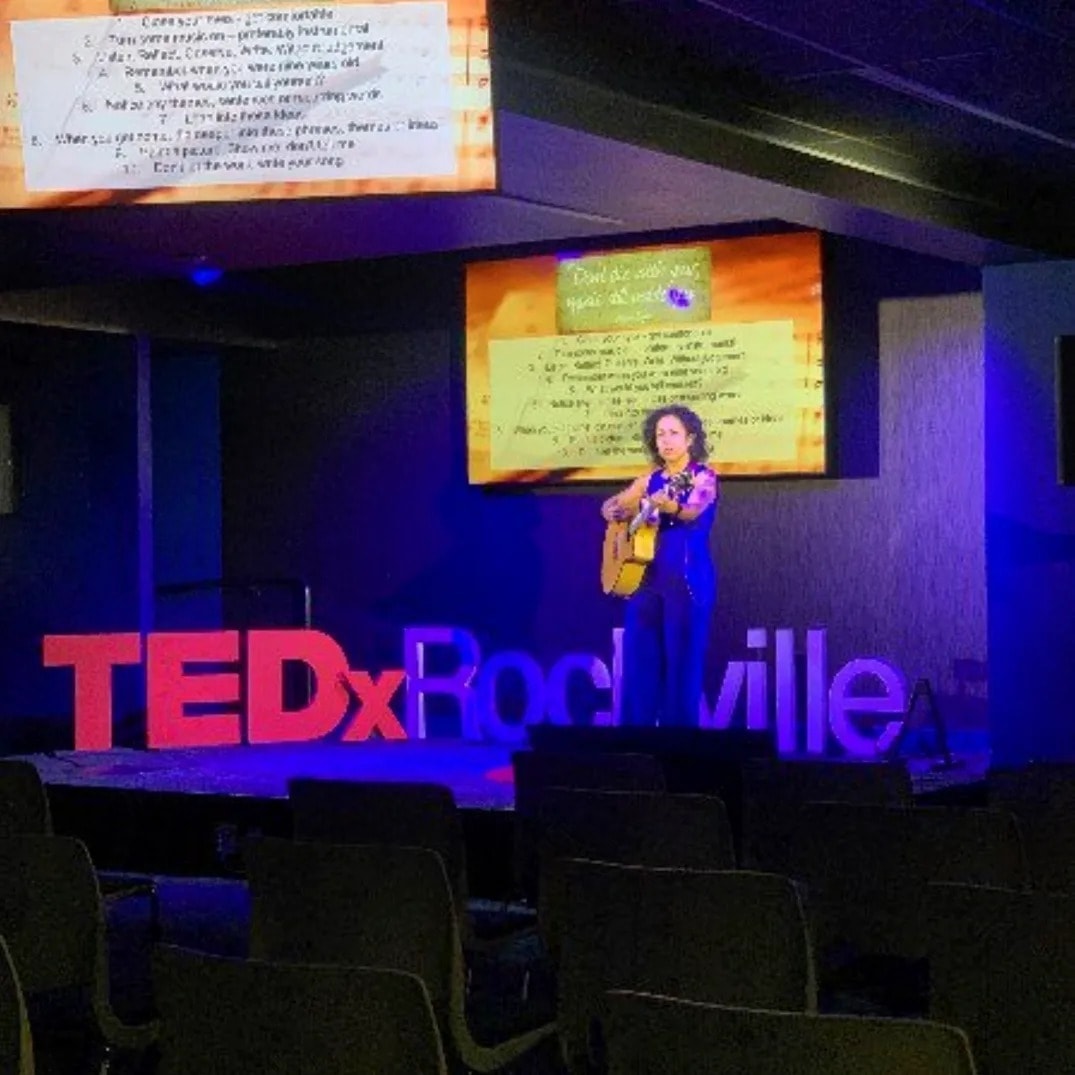
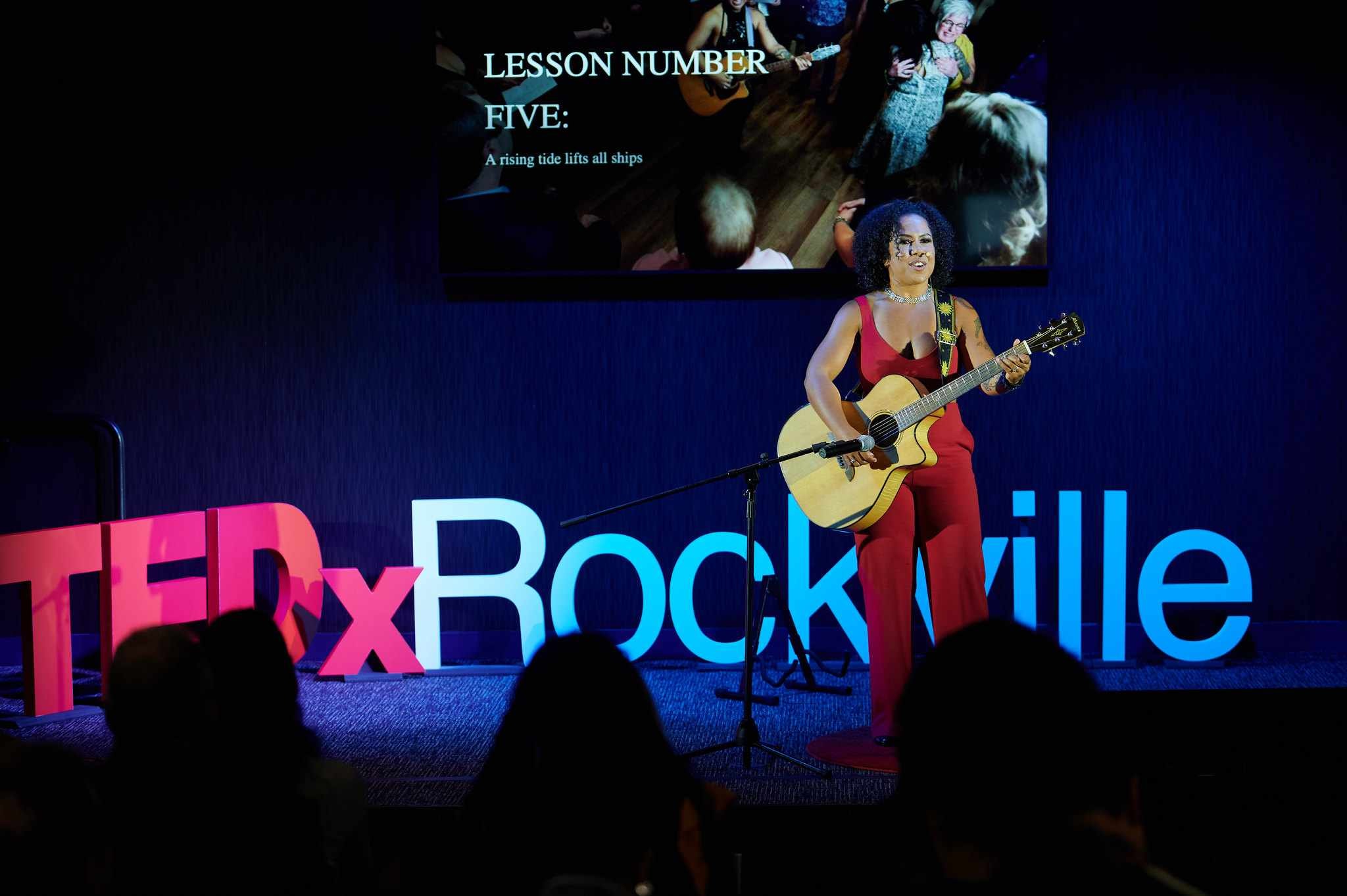
Engaging an audience isn't limited to words alone. A great speaker finds creative ways to activate the audience's senses—visual, auditory, and even kinesthetic. This could include using visuals, videos, sound, or even live music (like yours truly) to emphasize key points. Seriously though. Incorporating multimedia or music into a presentation, as I do in my keynote speeches, helps to hammer home key messages and makes the experience more dynamic and memorable.
3. Interactive Elements
A good speaker doesn't just talk at the audience—they create an interactive experience. Whether through Q&A sessions, live polls, or activities that require audience participation, keeping the audience actively engaged prevents boredom and promotes retention of information.
Ahem Like writing a collaborative song together. After all, audiences want to be able to reflect, answer questions, and even share their thoughts on topics being discussed. This keeps participants mentally, emotionally and socially engaged throughout the event.
4. Addressing the Audience’s Specific Challenges
Many speakers talk in broad strokes, offering generalized advice. A great speaker tailors their presentation to the specific needs, concerns, and context of the audience. Whether addressing unique workplace culture challenges or individual struggles, speaking directly to the audience’s real-world experiences makes the presentation more impactful.
For the reason, it's really important that the right speaker does their research and speaks directly to the event organizers [you!] so that they can cater specifically to the challenges faced by your audience. Customization is everything.
5. Offering Practical, Actionable Takeaways
How many times have you left a presentation thinking "wow, that was cool... but what can I do to actually implement anything from that talk?". Well, while inspiration is important, many speeches fail to provide tangible advice, strategies or exercises that audience members can implement after the event. A great speaker bridges the gap between motivation and action by offering clear, practical steps that attendees can use to make real changes in their lives or work.
Speaking isn't just about inspiring. It's about teaching. Giving participants clear, actionable steps they can take to achieve their goals or overcome their challenges is imperative for a good speaker to make a positive and impactful difference.
6. Going Beyond Buzzwords and Clichés
I don't know about you, but I am over the number of speakers I've heard who rely heavily on overused buzzwords like "grit," "hustle," and "crushing it". Seriously. How uninspiring. A great speaker avoids clichés and instead focuses on delivering messages that feel fresh and genuinely impactful, with language that is meaningful rather than trendy.
7. Showing, Not Just Telling
Rather than simply stating an idea or giving advice, a great speaker should demonstrate it in a real and tangible way. For me, this is not just about telling my story as a survivor of 10 brain surgeries [true story - you can learn more about that in my first TEDx Talk] but also performing live, original songs that truly show how powerful music can be for one's mental, emotional, social and neurological well-being.
8. Emphasizing Empathy Over Authority
Many traditional speakers focus on their expertise or accomplishments, which can sometimes come across as self-centered or preachy. A great speaker flips this dynamic, approaching the audience with empathy, understanding, and a willingness to meet them where they are. After all: the speaker is for a reason, and it's not for their ego. Rather than positioning themselves as the all-knowing expert, it's important that a good speaker positions themself as someone who understands and relates to the audience’s struggles. Humility and curiosity are hugely beneficial tools: fostering a sense of connection rather than superiority.
9. Tapping into Emotional Intelligence
Great speakers recognize that the emotional tone of a presentation is just as important as the content. Being in tune with the audience’s emotional state allows a speaker to adapt their delivery to create more impactful moments—whether that’s through humor, empathy, or vulnerability.
I recently found myself speaking and performing for the mayor of Washington DC, for example, and moments after my performance, she was rushed by protestors. I was asked to step in while security sorted it out, and took a moment to invite everyone to center themselves with me through a short meditation exercise to help get everyone refocused, and less stressed. This is one example of why it's important to be able to read the room and adapt your tone or content accordingly. If the audience is disengaged or distracted, a good speaker will be able to pivot to something more interactive or beneficial for the audiences needs.
10. A Unique Presentation Style
Most speakers follow the typical structure of standing on stage with a slideshow in the background [yay PowerPoint!]. A great speaker thinks creatively about how to use the stage, their body language, and even the layout of the room to create a more engaging experience.
We need speakers who can move beyond the traditional speaker format. Walking through the crowd, using props, changing the room setup to encourage interaction and participation, and - of course - live musical performances and singalongs can be super helpful and make a presentation memorable in both message and application.

Too Much Focus on the Speaker, Not Enough on the Audience
An effective keynote speech is about the audience, not the speaker. Some guest speakers spend too much time discussing their own accomplishments, making it more about them than the people they’re meant to inspire. A good speaker will focus on how their story relates to the audience’s challenges and aspirations, ensuring that the presentation feels relevant and valuable.
Lack of Practical Takeaways
While inspiration is essential, audiences need practical takeaways that they can implement in their own lives or work environments. Too often, keynote speeches leave participants motivated but unsure of how to apply what they’ve learned. A speaker should offer actionable insights that attendees can use immediately to create positive changes, ensuring that the message has long-term value beyond the event.
Simplification of Complex Issues
When speakers address complex topics, such as mental health or workplace culture, it’s important to offer more than just surface-level solutions. Oversimplifying these issues can come across as dismissive, making the presentation feel out of touch with the real challenges that people face. A motivational speaker should acknowledge the complexity of these topics while still offering clear, meaningful strategies for addressing them.
Why I’m Different: Authenticity, Music, and Practicality
As a TEDx speaker and educator with over 15 years of experience, I’ve delivered keynote speeches across the country, and I do things a little differently. My unique approach blends music with motivational speaking, ensuring that my presentations are engaging, dynamic, and impactful.
No Overhyped Self-Promotion
Unlike some guest speakers, I focus on providing genuine value rather than self-promotion. My talks are grounded in real-life experiences, and I share my journey through songwriting and self-expression in an open, authentic way. I create space for the audience to connect with their own experiences rather than delivering a one-size-fits-all message.
I don’t believe in presenting simple ideas as if they are groundbreaking revelations. Instead, I offer practical tools that are easy to implement that attendees can apply in their lives. Whether it’s teaching people to manage stress through creativity or offering strategies for developing a positive workplace culture, I provide actionable takeaways that can be implemented immediately. My goal is to ensure that participants leave with more than just motivation—they leave with a clear path forward.
Drawing from my background in New Zealand, I create a collaborative, safe environment where every person in the room feels heard, valued, and respected. This approach makes my presentations more inclusive and ensures that the audience feels connected to the message rather than preached to.
But the culture doesn't stop there.
Yes, I was born and raised in New Zealand, but my perspective is global and diverse as my familial background is also rooted in the United States, Fiji, Iran and Norway. Even more: my history with hydrocephalus and brain surgery gives me a unique medical cultural background, all of which is important to bring with me on the stage to provide a fresh and inclusive approach to every event. After all: a presentation needs to be relevant to all participants - ethnically, spiritually, and ability-wise. I emphasize belonging, growth, and respect, ensuring that every voice in the room is heard.
Choose the Right Speaker for Your Event
Finding the right keynote speaker is essential to the success of your event. It’s about more than just filling a slot on the schedule—it’s about selecting someone who will connect with your audience, deliver real value, and leave a lasting impact. If you’re looking for a speaker who combines authenticity, practical insights, and dynamic entertainment, let’s hop on a call to discuss how I can bring something unique to your conference, graduation, or corporate event.
Let’s create an experience that your audience will talk about long after the event concludes.


